
thumbnail image

The Curious Classroom

Curiosity Begins Here

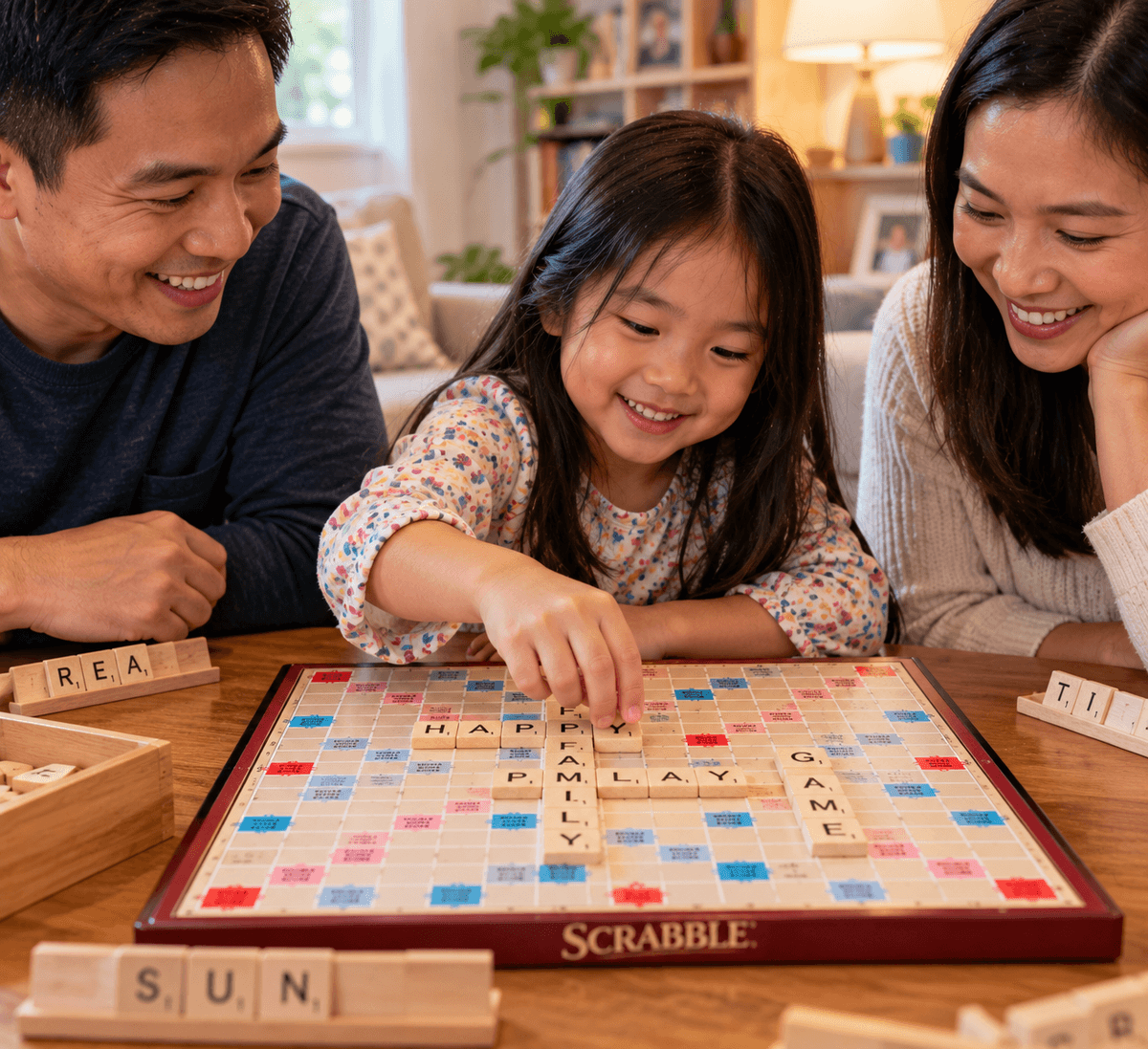
Whether you're a parent looking for a meaningful activity, an educator seeking fresh ideas, or a young learner ready to explore, there's something here for you. Let's make learning a joyful journey, together.

  • Home, ISTE and References
  • AI Guidelines
  • Open Educational Resources
  • Games for Littles
  • …  
    • Home, ISTE and References
    • AI Guidelines
    • Open Educational Resources
    • Games for Littles

    The Curious Classroom

    Curiosity Begins Here

    Whether you're a parent looking for a meaningful activity, an educator seeking fresh ideas, or a young learner ready to explore, there's something here for you. Let's make learning a joyful journey, together.

    • Home, ISTE and References
    • AI Guidelines
    • Open Educational Resources
    • Games for Littles
    • …  
      • Home, ISTE and References
      • AI Guidelines
      • Open Educational Resources
      • Games for Littles
      • “Education is not preparation for life; education is life itself.”

        - John Dewey

      • Our Purpose

        Inspriring curiosity. Empowering families.

        Whether you're a parent looking for a meaningful activity, an educator seeking fresh ideas, or a young learner ready to explore, there's something here for you. Let's make learning a joyful journey, together.


        Our Mission

        To empower parents, caregivers, and educators with inclusive, accessible, and practical resources that nurture children's curiosity, independence, and lifelong learning. By combining Montessori-inspired practices with responsible educational technology and collaborative support, we aim to make meaningful learning possible for every child, including those with diverse learning needs.


        Join Our Community

        Our Vision

        To inspire a world where every child can explore, create, think critically, and grow into a lifelong learner—supported by caring adults, accessible educational resources, and technology that enhances rather than replaces meaningful human experiences.

        At The Curious Classroom, we believe that child development comes first, curiosity sparks discovery, and learning continues everywhere.

      • Notes from the Creator

        My professional experience spanning nearly two decades, together with my personal journey, has strengthened my belief that every child has unique strengths, abilities, and potential. Having worked as a Montessori Preschool Teacher and teacher educator for many years, I believe one of the best ways I can give back to this profession is by sharing my knowledge, experiences, and the lessons I have learned along the way.

        I created The Curious Classroom to encourage families to become active partners in their children's learning. Education does not happen only in schools or therapy centers. It happens at home, too, through everyday routines, play, exploration, and meaningful connections. Together, let us celebrate every milestone, embrace every child's individuality, and discover how small steps can lead to big possibilities.

        To the parent searching for a space where you feel understood, supported, and equipped with meaningful resources for your little one's learning journey, this space is for you!

        As a teacher and a mother, I understand that parenting comes with its own questions, discoveries, challenges, and beautiful moments. Spaces where mothers can openly share, learn, and support one another can sometimes be hard to find. Through The Curious Classroom, I hope to create that space for you.

        From one mother to another, I want you to know this: I've got you, I believe in you, and you are doing better than you think.

        Cheers to learning, growing, and discovering together!
      • What is ISTE?

        ISTE stands for the International Society for Technology in Education. ISTE develops standards to help educators and students use technology meaningfully, responsibly, and effectively for learning. They have identified 7 ISTE Standards for Students.


        7 ISTE Standards

        7 Goals Parents Can Nurture at Home for Preschoolers

        Section image

        1. Empowered Learner — “I can learn!”

        Even at a young age, children should be given opportunities to make choices, explore their interests, and discover what they enjoy doing. Allowing them to choose what they want to learn, which activities they would like to try, and how they approach a task helps nurture independence and confidence. It also teaches them to take ownership of their learning, practise new skills, and appreciate their own progress. Sometimes, the best way to help children grow is to give them the freedom to explore, the space to make decisions, and the encouragement to see things through.
        At Home: Give your child a chance to take the lead in small, everyday decisions. Let them choose a puzzle they would like to complete, practise pouring water between containers, or pick a book for you to read together. Allow them to try things at their own pace, even when it takes a little longer. These simple opportunities help children build confidence, develop independence, and understand that their choices matter. After all, little decisions today help build capable and confident learners tomorrow!
        Section image

        2. Digital Citizen — “I use technology safely and kindly.”

        Children can begin learning about privacy, permission, kindness, and healthy technology habits from an early age. As trusted adults, we have an important role in helping them understand that access to technology comes with responsibility. Before introducing children to the digital world, let's first help them develop respect for others, an understanding of personal boundaries, and an awareness that their choices and actions online can affect themselves and those around them. After all, learning to use technology responsibly begins long before children start using it independently.
        At Home: Make responsible technology habits part of your everyday family routines. Practise asking permission before using a device, and teach your child to always ask before taking or sharing someone else's photograph. Talk about why some information and pictures should remain private. Most importantly, lead by example. More importantly, model the technology use and respect that you want your child to do.
        Section image

        3. Knowledge Constructor — “I discover and learn.”

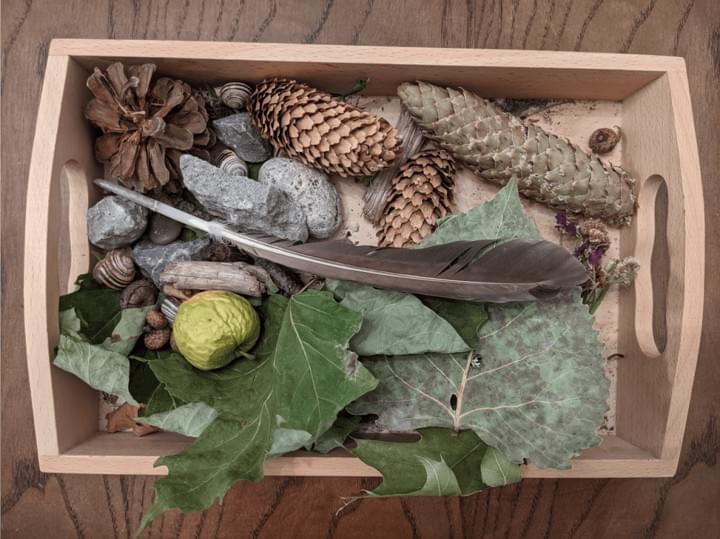
        Children are naturally curious. They gather information, ask questions, and make connections between new discoveries and what they already know. But nurturing curiosity goes beyond simply encouraging children to ask questions. We also need to teach them how to ask—whether their questions are big or small, simple or complex, expected or unexpected. Most importantly, we want children to feel confident enough to ask freely, express their thoughts, and seek answers respectfully and courageously.
        At Home: Take a little nature adventure with your child! Collect a few leaves outdoors, observe their shapes, sizes, colors, and textures, and talk about what makes them similar or different. You can also explore a picture book about plants and encourage your child to share what they notice or wonder about. Ask open-ended questions like, "Why do you think some leaves are bigger than others?" or "What do you think plants need to grow?"
        Section image

        4. Innovative Designer — “I can create and improve.”

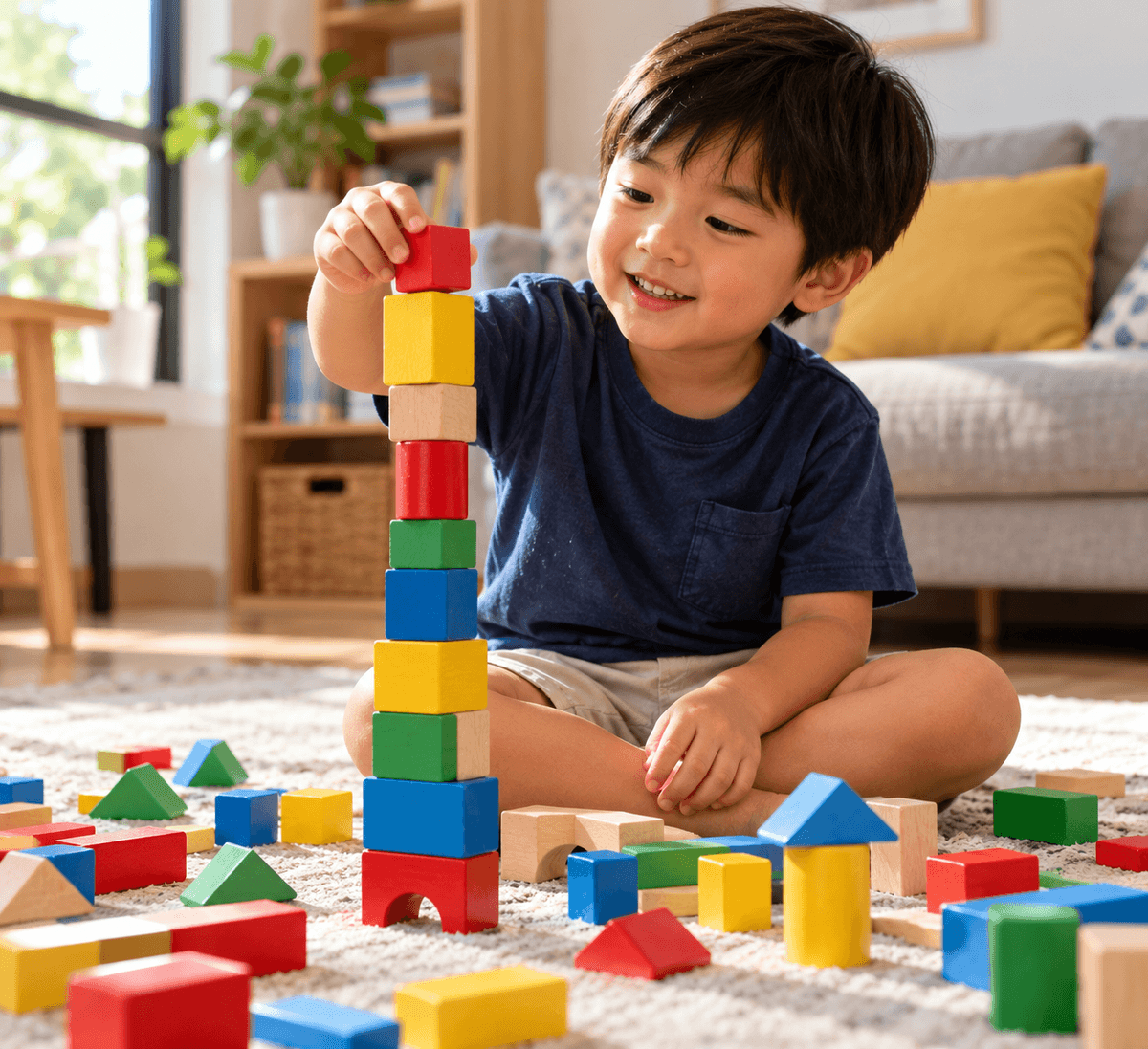
        Children learn so much when they are given the freedom to experiment, explore ideas, and figure things out for themselves. Through simple hands-on activities, they can discover how things work, test their ideas, and find creative ways to solve everyday problems. Remember, it's not always about getting things right the first time; it's about trying, learning, and discovering along the way.
        At Home: Encourage your child to build a tower using blocks. Ask them to see how tall they can make it without falling. If it tumbles, let them try again using a different design. Ask questions like, "What do you think happened?" or "What could we do differently?" Turn each little experiment into a fun opportunity to think, create, and problem-solve!
        Section image

        5. Computational Thinker — “I can solve problems step by step.”

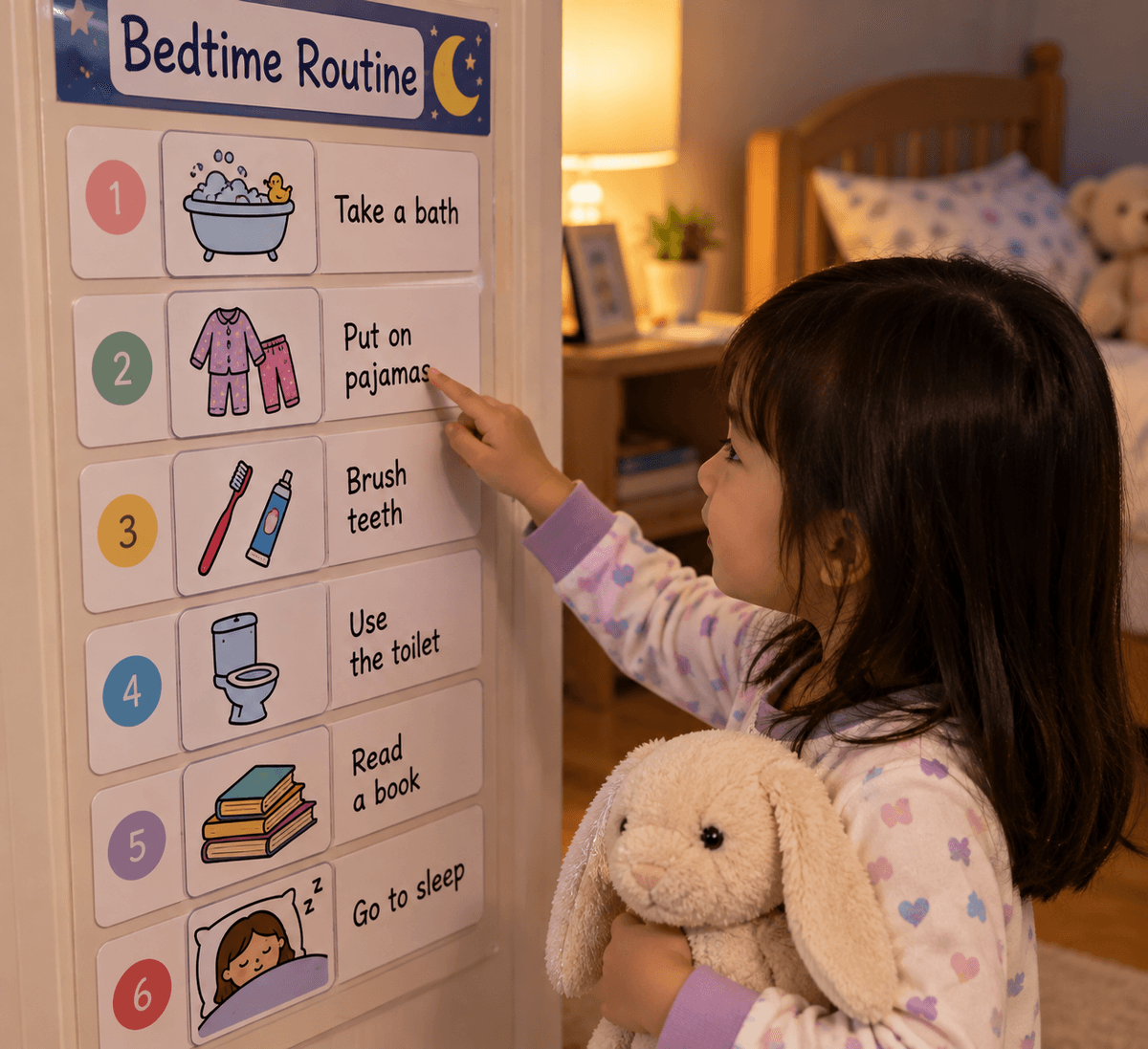
        Children develop important thinking and problem-solving skills when they learn to recognize patterns, organize information, and break everyday tasks into smaller, manageable steps. These simple experiences help them make connections, understand sequences, and become more organized and independent in their daily routines.
        At Home: Make learning part of your everyday activities! Invite your child to sort socks by color, arrange toys or objects into repeating patterns, or follow picture cards to get ready for bedtime.
        Section image

        6. Creative Communicator — “I can share my ideas.”

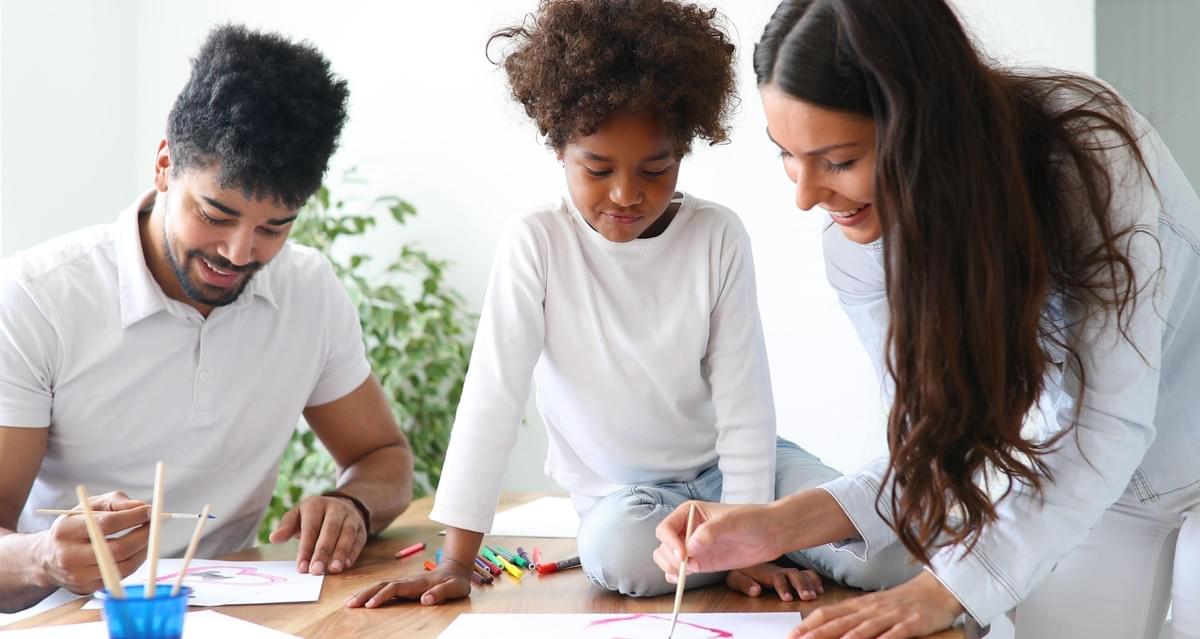
        Children have many wonderful ways of expressing their thoughts, ideas, and feelings. Some may enjoy talking and telling stories, while others prefer drawing, moving, building, or creating something with their hands. As parents, we can encourage them to express themselves in different ways and remind them that there is no single right way to share what they think or imagine. What matters is giving children the confidence and freedom to let their ideas come to life.
        At Home: Invite your child to draw a picture of your family and tell you the story behind it. Encourage them to make up their own story, act it out, or record a short explanation of something they have built or created. Listen with genuine interest, ask questions, and celebrate their ideas.
        Section image

        7. Global Collaborator — “I can learn with others.”

        Learning to work with others is an important part of growing up. Through everyday interactions, children learn to cooperate, take turns, listen to different ideas, and appreciate that not everyone thinks or does things the same way. They also begin to develop an understanding of other people, traditions, and cultures. These experiences help nurture empathy, respect, and a sense of belonging in a diverse world.
        At Home: Make learning a shared experience! Work on a simple family project, share stories about different countries and cultures, or invite another child to work together on a puzzle. Give everyone a chance to contribute ideas, make decisions, and take turns.
      • References and Acknowledgements

        The Curious Classroom – Nurturing Inquiry

        This platform is built on educational principles, research, and tools that foster independence, creativity, and responsible technology use in children. We thank the organizations and sources that have contributed to shaping these educational insights.

        References

        American Montessori Society. (n.d.). Fast facts: What is Montessori? https://amshq.org/about-montessori/press-kit/what-is-montessori/

        CAST. (2024). Universal design for learning guidelines version 3.0 [Graphic organizer]. https://udlguidelines.cast.org/

        Creative Commons. (n.d.). Reusing CC-licensed content. https://creativecommons.org/reusing-cc-licensed-content/

        Google. (2025). Gemini [Large language model]. https://gemini.google.com/

        International Society for Technology in Education. (2024). ISTE standards: For students. https://iste.org/standards/students

        National Association for the Education of Young Children. (2020). Developmentally appropriate practice position statement. https://www.naeyc.org/resources/position-statements/dap/contents

        OpenAI. (2025). ChatGPT [Large language model]. https://chatgpt.com/

        UNESCO. (2015). Global citizenship education: Topics and learning objectives. https://www.unesco.org/sites/default/files/gcedtopicsandlearningobjectives_01.pdf

        UNESCO. (2019). Recommendation on open educational resources (OER). https://www.unesco.org/en/legal-affairs/recommendation-open-educational-resources-oer

        UNESCO. (2023). Guidance for generative AI in education and research. https://www.unesco.org/en/articles/guidance-generative-ai-education-and-research

        UNICEF. (2025). Guidance on AI and children (Version 3.0). https://www.unicef.org/innocenti/reports/policy-guidance-ai-children

        AI Assistance Acknowledgement

        AI Acknowledgement

        In developing The Curious Classroom, AI tools like ChatGPT by OpenAI and Gemini by Google played a crucial role in generating ideas, organizing content, and assisting with planning. These tools contributed to enhancing explanations, designing activities, and refining content to serve educational goals.

        All suggestions from AI were carefully reviewed, edited, and tailored to fit the educational intent and the creator’s personal perspective. The final responsibility for the content lies with the website’s author.

        Expressing Our Gratitude

        The core belief of The Curious Classroom is that every child should have the opportunity to explore, innovate, and learn in ways that honor their unique identities.

        We sincerely thank educators, researchers, organizations, creators, and families whose ongoing dedication and shared insights inspire a community committed to curiosity, growth, and discovery.

        From one educator and parent to another, let’s continue this journey of learning and discovery together.

      ©2026 - Proudly built with Strikingly

        Home
        Store
        Posts
        Contact
      Cookie Use
      We use cookies to ensure a smooth browsing experience. By continuing we assume you accept the use of cookies.
      Learn More